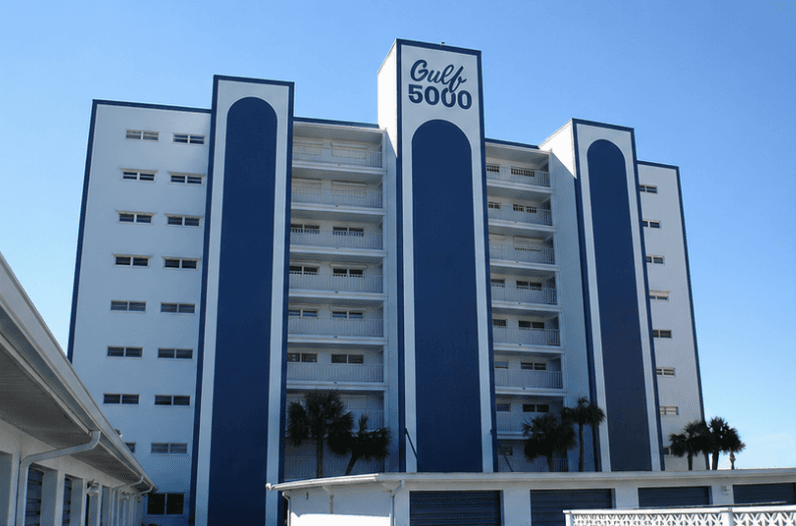
St. Pete Beach restoration: beachfront condos, Gulf-exposed buildings, and barrier-island work
Don CeSar & Pass-a-Grille
Historic resort blocks and the southern tip of the island. Restoration on landmark buildings and surrounding condos staged around guest operations, valet, and limited street access at the point.
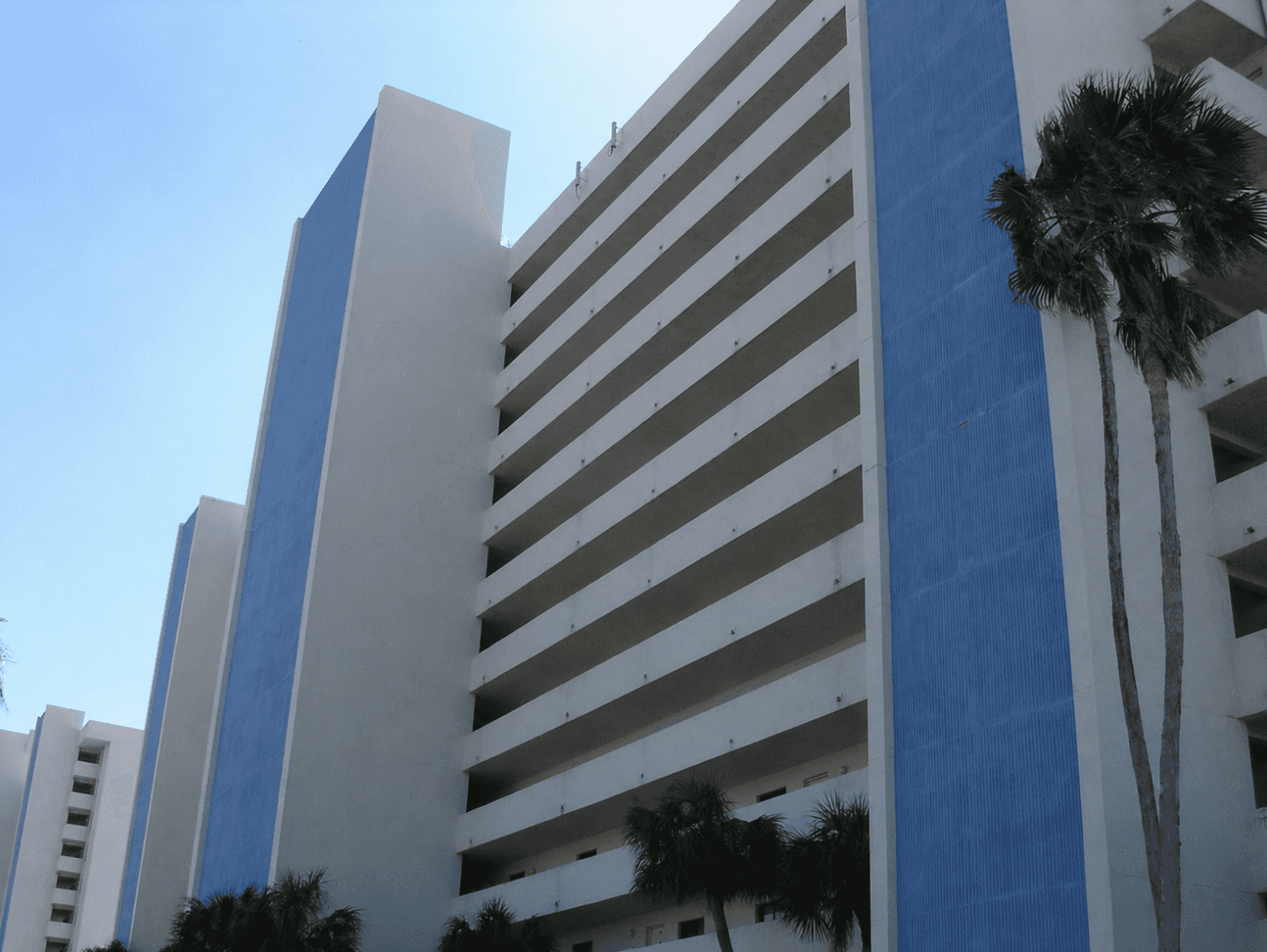
Gulf Boulevard high-rises
Ten- to twenty-story residential towers fronting the Gulf. Balcony, railing, and façade work staged around full-time residents and seasonal renters with strict pool-deck and beach-access requirements.
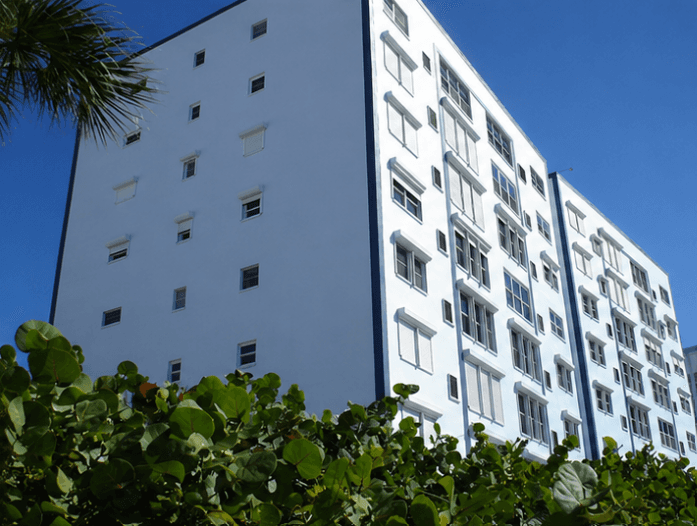
Boca Ciega bayside
Inland and bayfront sections away from direct Gulf exposure. Townhomes, duplexes, and lower-rise condos with mixed-exposure waterproofing needs and bay-side dock access.
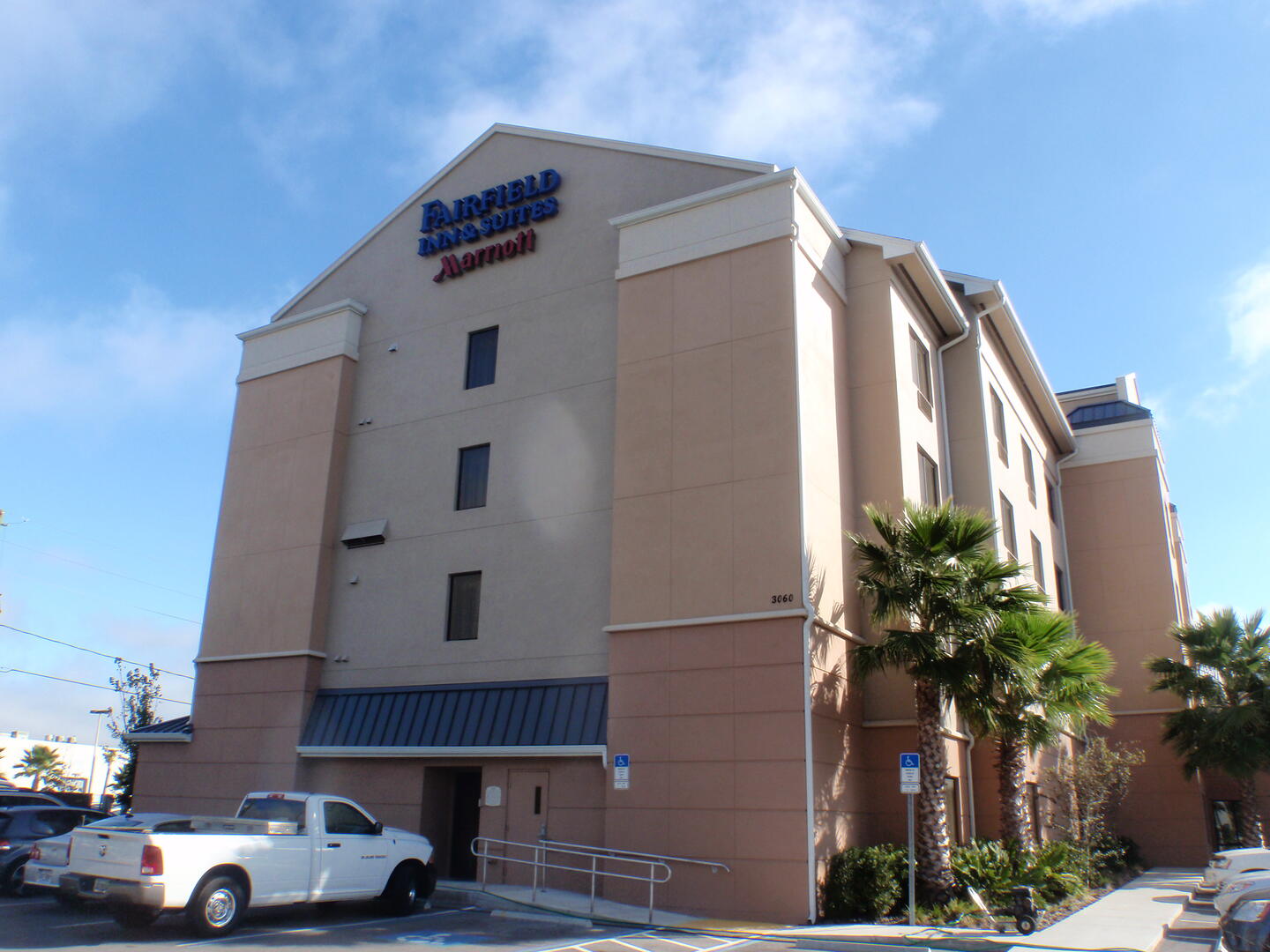
Corey Avenue district
Mixed retail, restaurant, and small mixed-use blocks on the bay side of Gulf Boulevard. Exterior painting, stucco repair, and storefront waterproofing scheduled around tenant hours and pedestrian traffic.


BALCONIES FIRST
What owners report
On St. Pete Beach towers, the first call often comes from an owner, not the board. Rust bleeding from the base of a railing post, a crack running out from an anchor or a rail that moves when you lean on it are the usual triggers. Small chips of concrete on the balcony below, or rust staining on a soffit, are other common signs.
Owners who spend part of the year away often notice changes more clearly when they return. A short report form or email address for owners to send photos to helps the board spot problems across the building without waiting for a formal inspection.
Why the railing posts go first
Railing posts set into the slab create a direct path for salt water into the concrete. As the steel inside rusts it expands, and that pressure cracks the concrete around the post. On a Gulf-facing balcony, constant salt spray speeds the process up. Because a railing is a safety item, any loose or cracked post should be checked promptly.
What the repair involves
The damaged concrete around the post is cut back to sound material and the corroded steel is cleaned or replaced. The slab is then rebuilt to its original profile and the post is reset or replaced with a corrosion-resistant anchor. A waterproof coating over the repaired deck helps keep water out of the new work.
The same process applies to balcony slab edges, which are often repaired at the same time. Our balcony repair and restoration page goes into the full scope in more detail.
Each repaired post is checked before the balcony is reopened. Owners can then use the railing with confidence, and the board has a photo record of every location that was fixed.
Scheduling around the season
Balcony work takes each unit’s balcony out of use for a period, which matters in buildings full of seasonal owners and short-term renters. Where we can, we schedule the heaviest balcony work outside peak rental months and work one stack at a time. Owners get notice before their balcony is closed and are told when they can use it again.
Pool decks and beach walkways are handled separately, with their own schedule, so the amenities owners care about most are out of service for as short a time as possible.
Do you work on barrier-island and Gulf-front buildings?
Yes — beachfront condos and barrier-island buildings are our specialty. We understand the salt-spray, wind, and sand exposure that crushes standard coatings and sealants, and we specify materials and sequencing built for full Gulf duty.
Can you work around rental turnovers and pool decks?
Yes. We sequence work around weekly turnover days, pool-deck access, and beach-walkway use. We've staged projects to keep both vacation renters and full-time owners in place throughout the job.
How fast can you get to a St. Pete Beach building?
Most St. Pete Beach properties are 15–20 minutes from our Pinellas Park base. Same-day or next-day site visits for emergencies, and we don't get held up by the Don CeSar bridge or weekend rental traffic the way out-of-county contractors do.
Do you handle SB-4D and 30-year recertification inspections?
Yes. We perform Phase 1 and Milestone inspections under SB-4D and the 30-year structural recertification process Pinellas County requires. We can take a building through the full cycle — inspection, scope, and the restoration work that comes out of it.
Are you licensed and insured?
Yes. Florida-licensed general contractor, license CBC1266604. Fully insured with general liability and workers' compensation.
What's the best time of year for exterior work at the beach?
October through May. Lower humidity, fewer afternoon storms, and the worst of hurricane season is behind us. Coatings, sealants, and concrete repairs cure better, and we can stage longer work windows without weather delays.