Sealant joint replacement
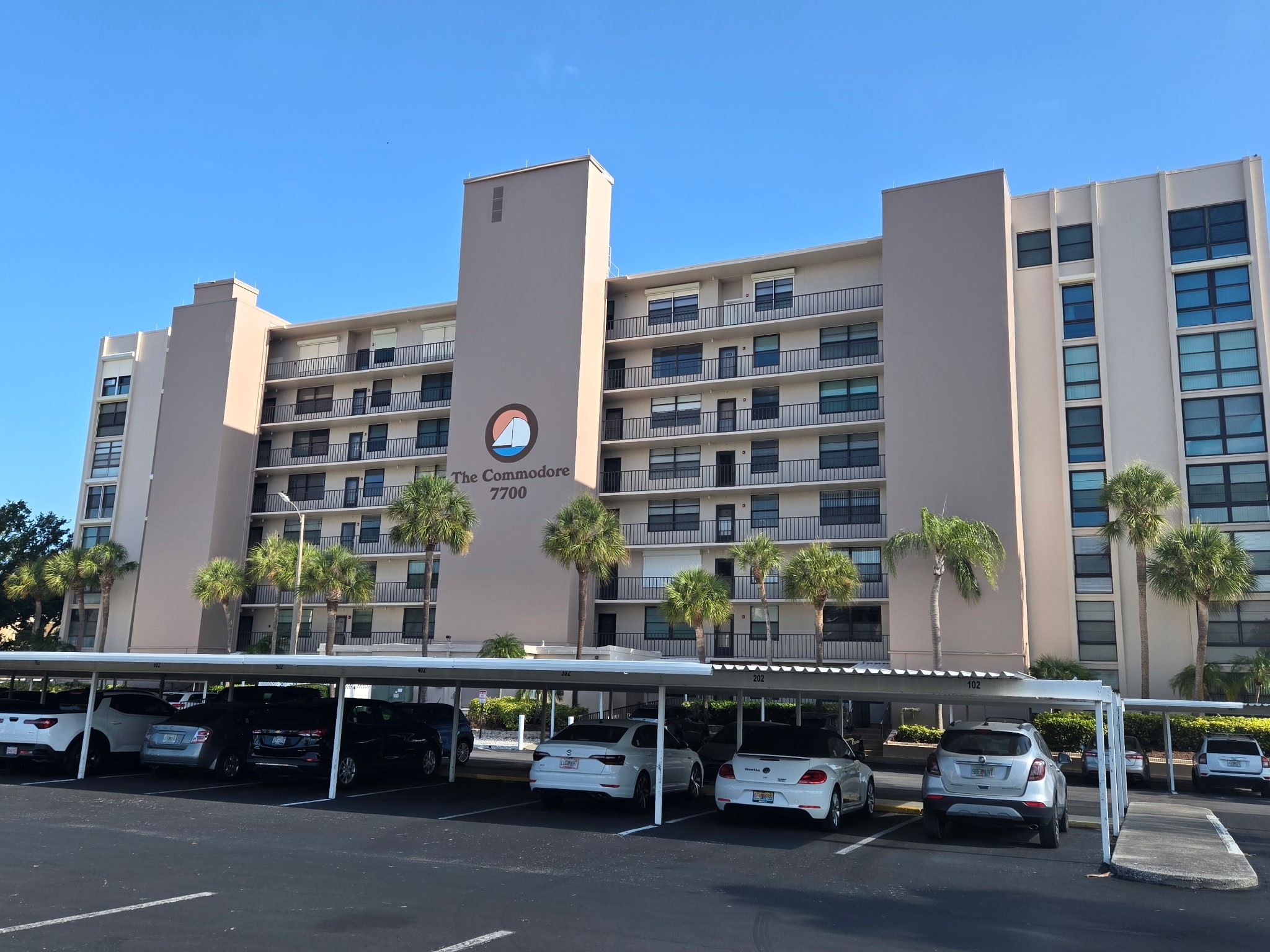
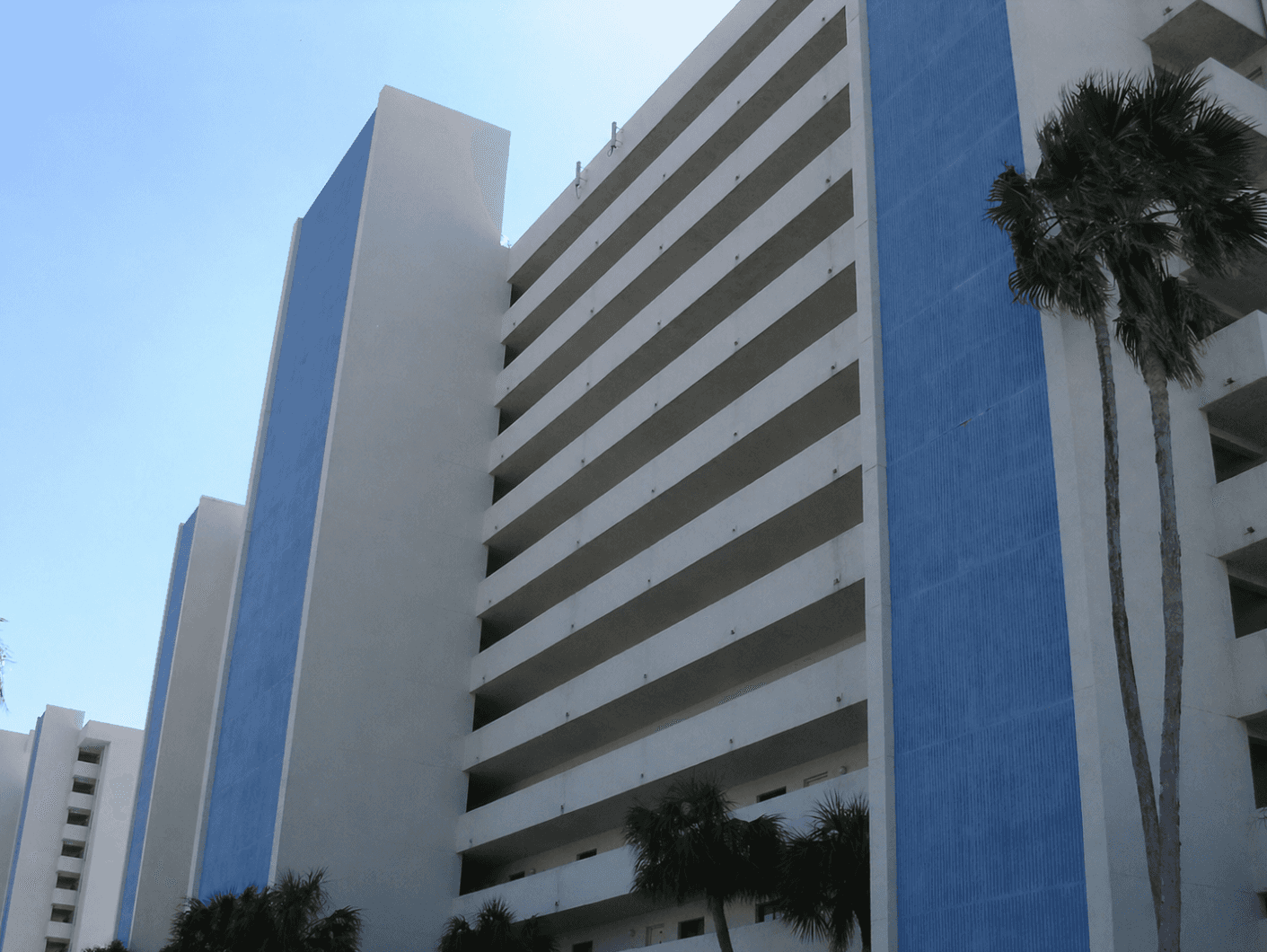
Removal of failed silicone and urethane sealants at slab edges, balcony joints, expansion joints, and window perimeters. We prep the substrate, install backer rod, and apply structural-grade sealant rated for movement and UV exposure.
Balcony deck traffic coatings
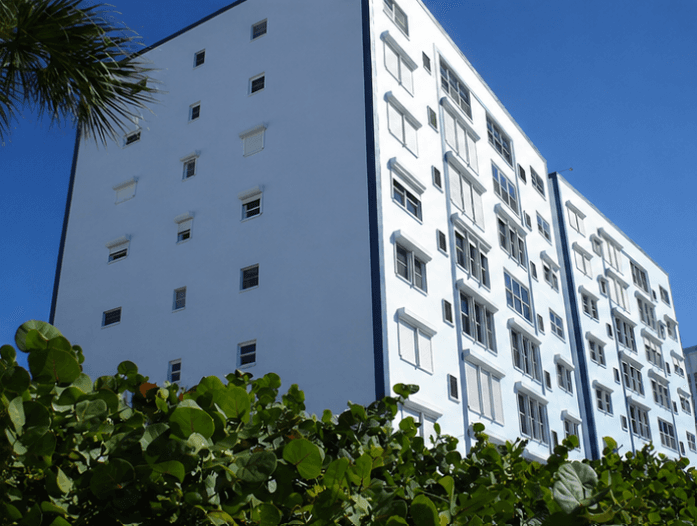
Polyurethane and polyaspartic traffic-rated coating systems for balcony decks, walkways, and parking decks. Resists UV, foot traffic, ponding water, and salt, and protects the structural concrete underneath.
Waterproof membranes & deck systems
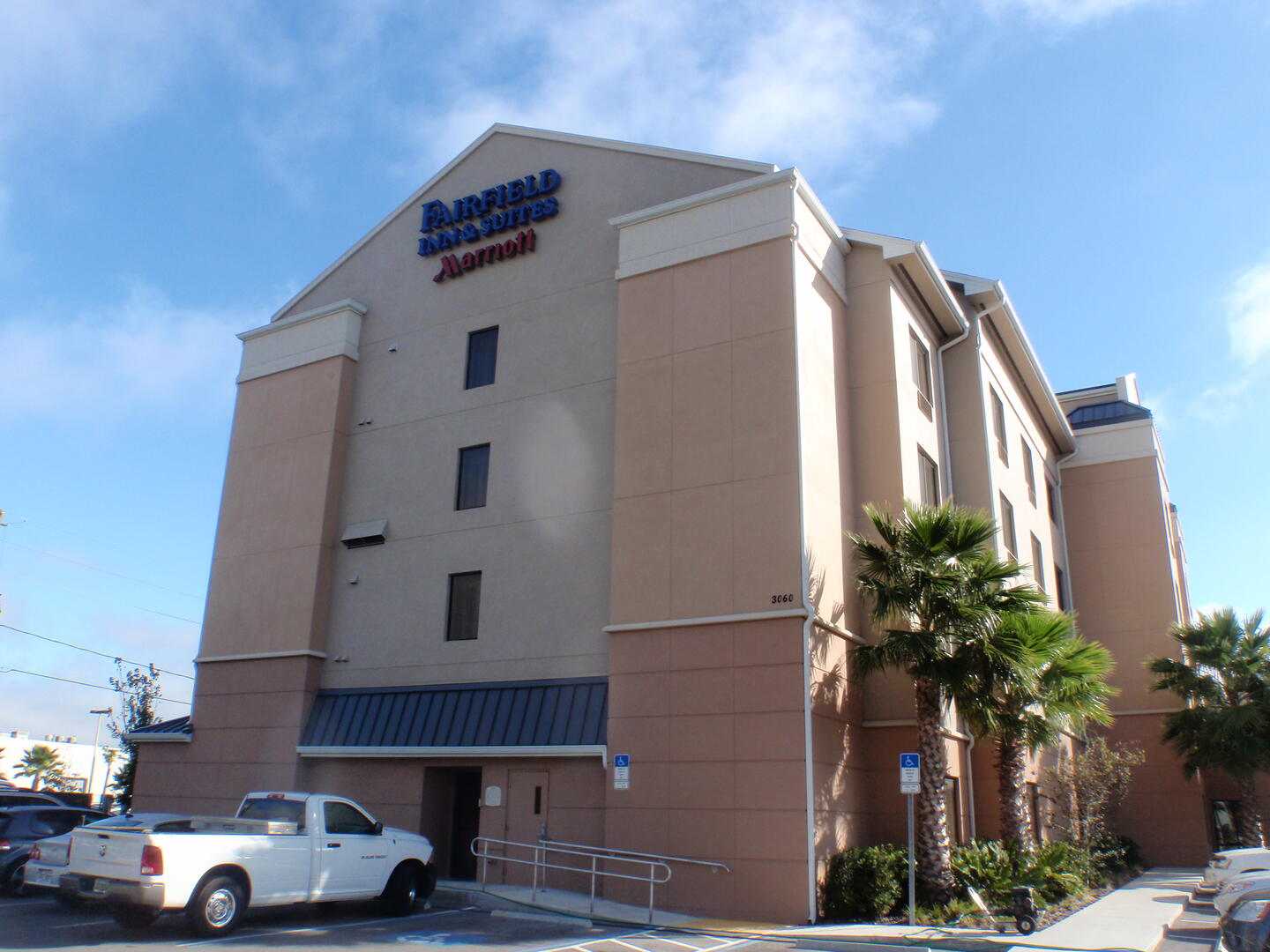
Fluid-applied and sheet-membrane waterproofing for plaza decks, planters, parapet walls, and below-grade conditions. Engineered for movement, ponding, and long-term Florida exposure.
Expansion joint replacement
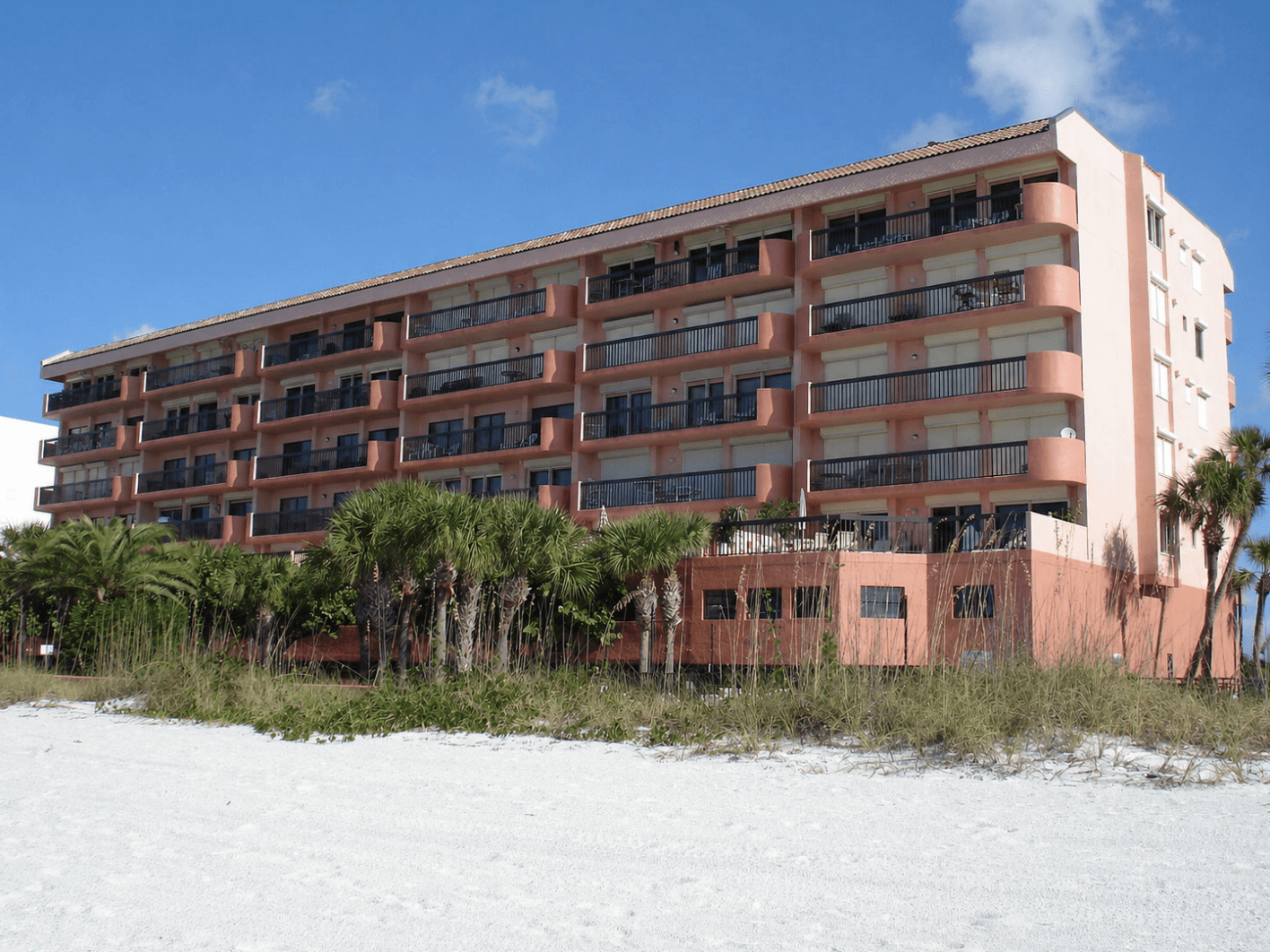
Failed expansion joint systems get cleaned out and rebuilt with compression seals, glands, or backer-and-sealant assemblies sized for actual building movement, at slab levels, between structures, and at parapet transitions.
Window perimeter sealing & glazing
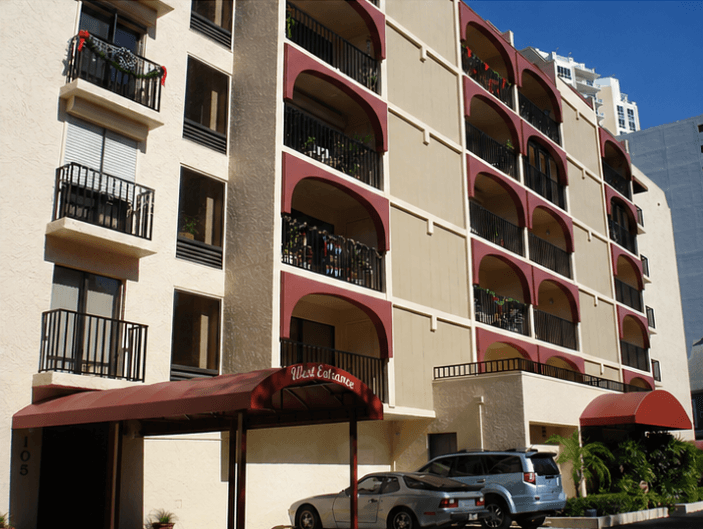
Wet sealing and glazing replacement around windows, sliding doors, and storefront systems. Stops the most common path of water intrusion in mid-rise and high-rise buildings.
Stucco crack injection & coatings
Hairline and structural cracks in stucco get routed, injected with elastomeric sealants, and finished with high-build elastomeric coatings that bridge cracks and breathe with the wall assembly.


OUR PROCESS
Every Barrett project follows the same five-step process so there are no surprises.
01
Walk-through and free consultation
Initial site visit to understand the building and your goals.
02
Photo-documented inspection and prioritized scope
Every defect is documented and ranked by urgency.
03
Detailed proposal with line-item pricing
Schedule, products, and warranty terms in writing.
04
Execution with resident communication plan
Pre-construction meeting and phased scheduling that minimizes disruption.
05
Closeout with final walk and warranty docs
Punch list, warranty documentation, and a maintenance plan.


How often do sealants and waterproofing need to be replaced in Florida?
Sealant joints typically last 7 to 15 years depending on product, joint design, and exposure. Traffic coatings on balconies and decks usually need recoating every 7 to 10 years. Waterproof membranes can last 20+ years if protected, less if directly exposed. We inspect existing conditions and tell you what actually needs replacement now versus what can wait.
Can you do the work while residents are still in the building?
Yes. Sealant and waterproofing work is almost always done occupied. We sequence by stack or balcony line, give residents written notice 48-72 hours in advance, and contain the work area with protection so traffic can still move through the building. Balcony coatings need cure time before walking — typically overnight — and we plan around that.
How do you decide what to replace versus recoat?
We test adhesion, check substrate condition, probe joints, and look for staining or efflorescence signaling water behind the assembly. Sealants that have lost adhesion or elasticity get fully removed and replaced — not recaulked over. Coatings with sound bond and minor wear can often be cleaned, prepped, and recoated. We document the reasoning so the board sees exactly why each call was made.
What's the warranty on waterproofing and sealant work?
Barrett provides a workmanship warranty on labor, typically 2-5 years depending on system. Manufacturer material warranties on sealants, coatings, and membranes range from 5 to 20 years. We register warranties with the manufacturer in the building's name and provide documentation to the board.
Are you licensed and insured?
Yes. Florida-licensed general contractor, license CBC1266604. Fully insured with general liability and workers' compensation.
Can you fix active leaks, or only do scheduled replacement?
Both. Active leaks are diagnosed with water testing to find the actual source — which is rarely where the water shows up inside. We fix the cause, document the path, and recommend the broader scope if related conditions are likely to fail next. Targeted repairs and full systematic replacements are both part of what we do.