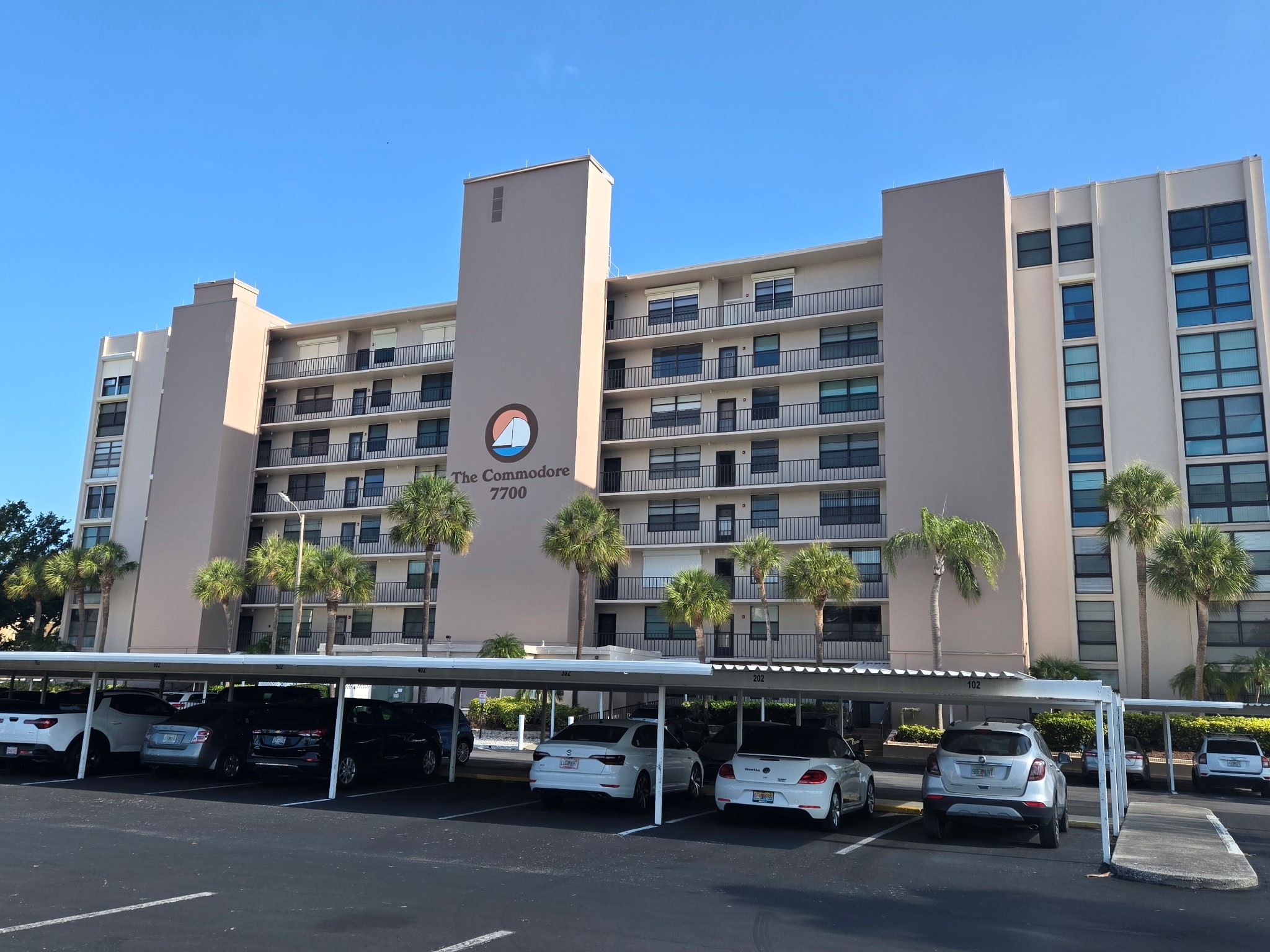
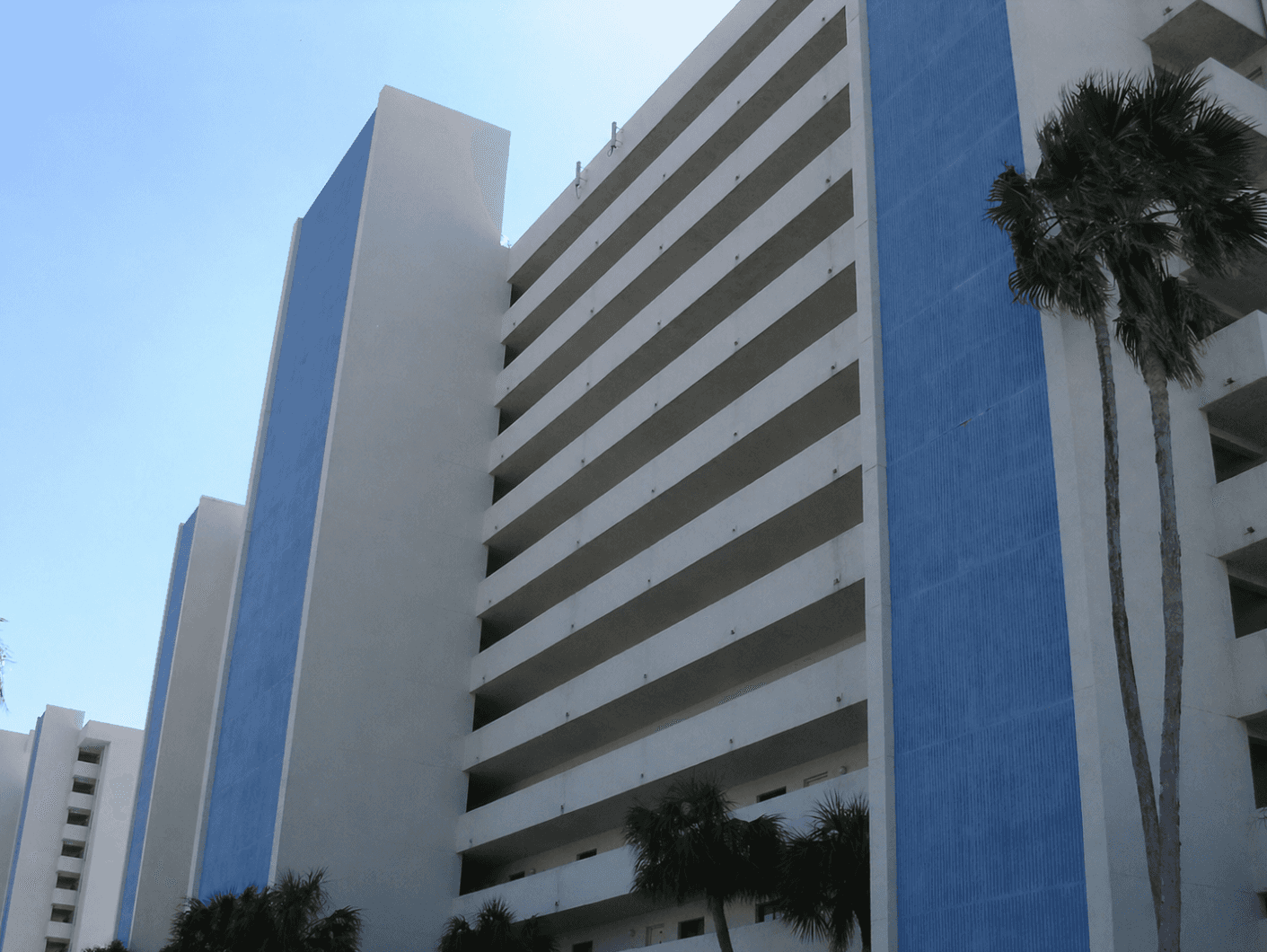
Phase 1 visual inspection
Full visual walk-through of the building's structural and life-safety systems. We document conditions, photograph defects, and flag areas that need engineer follow-up.
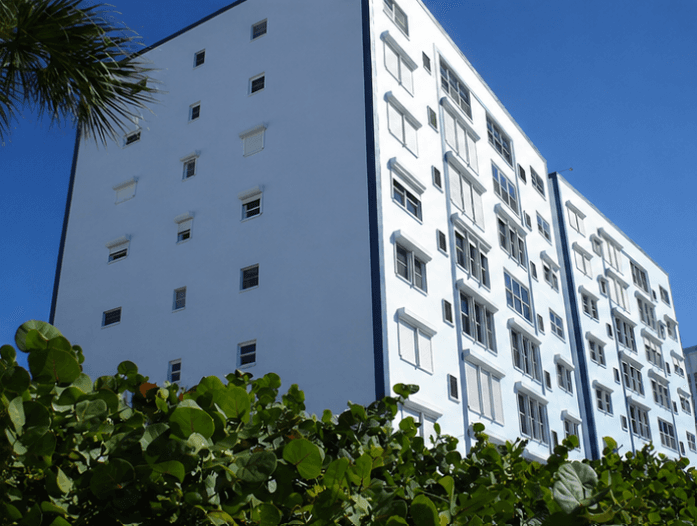
Phase 2 intrusive testing
Spalling repair, rebar replacement, structural crack injection, and post-tension cable repair for buildings showing signs of concrete distress.
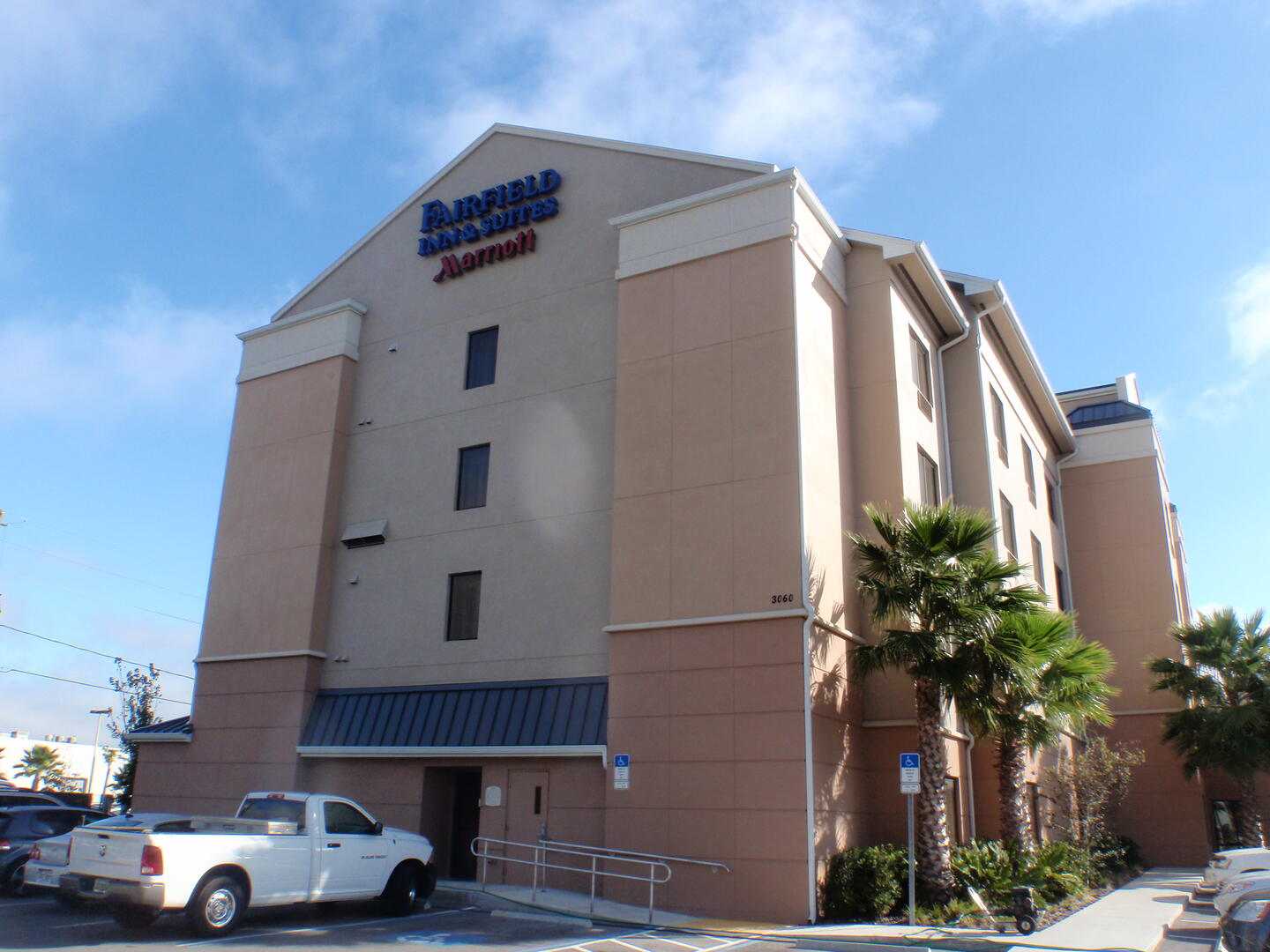
Structural & balcony review
We inspect balcony edges, railings, columns, and load-bearing walls — the elements engineers prioritize for life-safety. Findings tie directly to repair scope.
Waterproofing & envelope
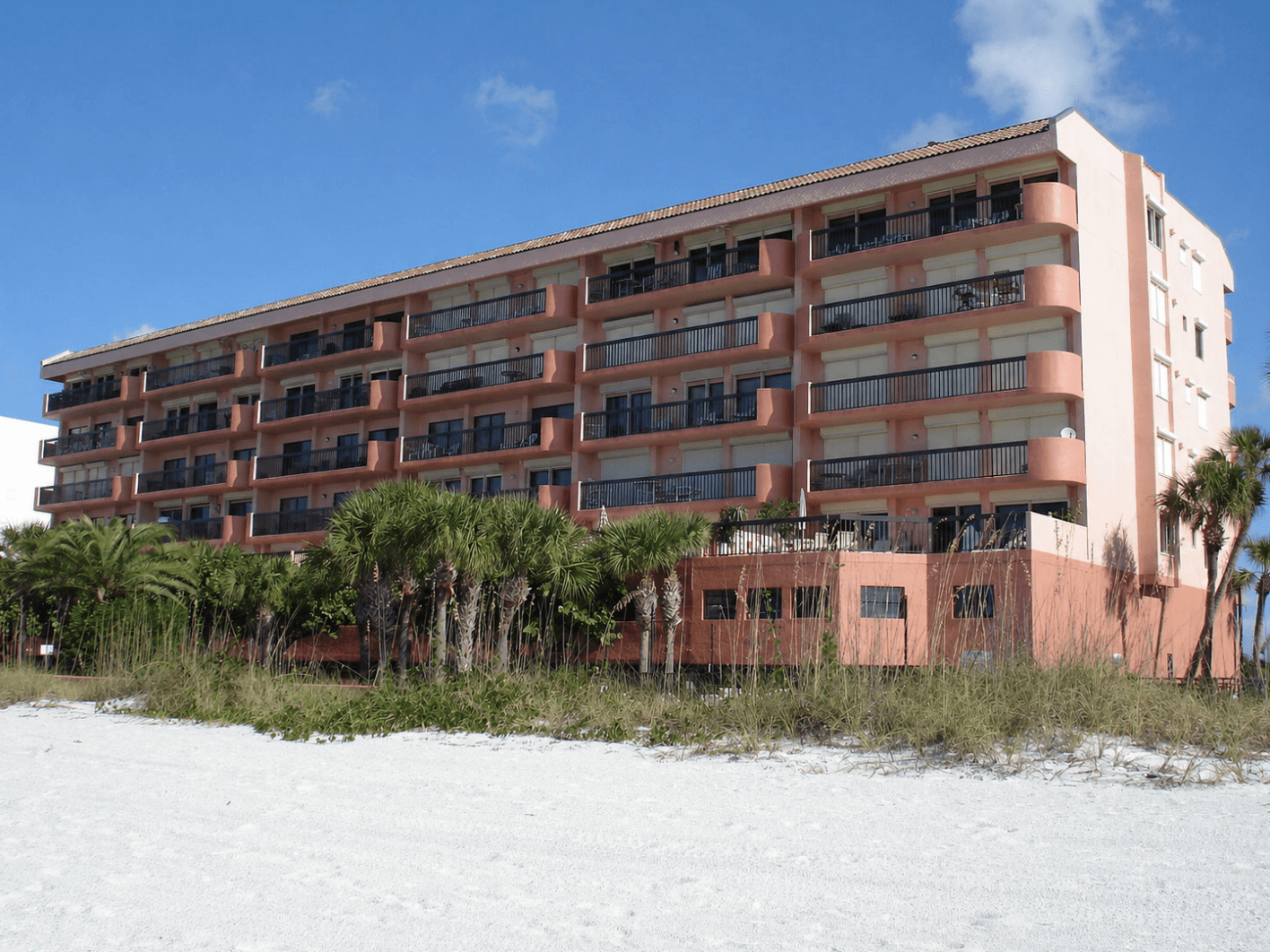
Sealant joints, exterior cladding, and water intrusion checks. Identifying water entry early prevents structural damage that becomes far costlier later.
Photos & defect mapping
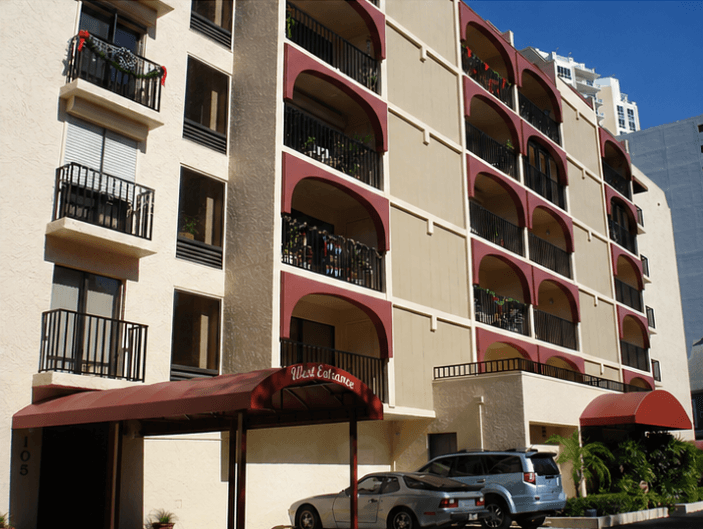
Every defect gets photographed, georeferenced, and prioritized so engineers see severity and location at a glance. No vague descriptions or missing context.
Engineer-ready compliance reports
Clear, organized field documentation that engineers can certify and boards can act on. Built for SB 4-D submittals and 40-year recertification follow-up.


OUR PROCESS
Every Barrett project follows the same five-step process so there are no surprises.
01
Walk-through and free consultation
Initial site visit to understand the building and your goals.
02
Photo-documented inspection and prioritized scope
Every defect is documented and ranked by urgency.
03
Detailed proposal with line-item pricing
Schedule, products, and warranty terms in writing.
04
Execution with resident communication plan
Pre-construction meeting and phased scheduling that minimizes disruption.
05
Closeout with final walk and warranty docs
Punch list, warranty documentation, and a maintenance plan.


What's the difference between Phase 1 and Phase 2 Milestone Inspections?
Phase 1 is a visual inspection by a licensed engineer or architect to assess the structural integrity of a building. If Phase 1 reveals substantial structural deterioration, Phase 2 follows — destructive or non-destructive testing to determine the extent of the issues. We handle the field documentation for both phases.
When does my building need a Milestone Inspection?
Florida SB 4-D requires Milestone Inspections for residential condos and cooperatives 3+ stories tall when they reach 30 years of age (25 years if within 3 miles of the coast). Recurring inspections happen every 10 years after the initial milestone. If you're approaching either threshold, we can help you plan ahead.
Do you work with our engineer, or do you provide one?
Either way works. If your association has an engineer of record, we work directly under their direction. If not, we can recommend Florida-licensed structural engineers we've worked with on multi-family and high-rise projects across Pinellas County.
How disruptive is the inspection to residents?
Phase 1 visual inspections are minimally disruptive — we work from common areas, balconies (with notice), and the exterior. Phase 2 testing may involve small access cuts in non-occupied areas. We coordinate closely with property managers and post resident notices well in advance.
Are you licensed and insured?
Yes. Florida-licensed general contractor, license CBC1266604. Fully insured with general liability and workers' compensation.
What happens after the inspection?
Once the engineer signs off on the report, your association can decide on next steps — typically a repair scope, budget, and timeline. We can stay involved as the general contractor for any restoration work that follows, or step away if you prefer to bid the project separately.