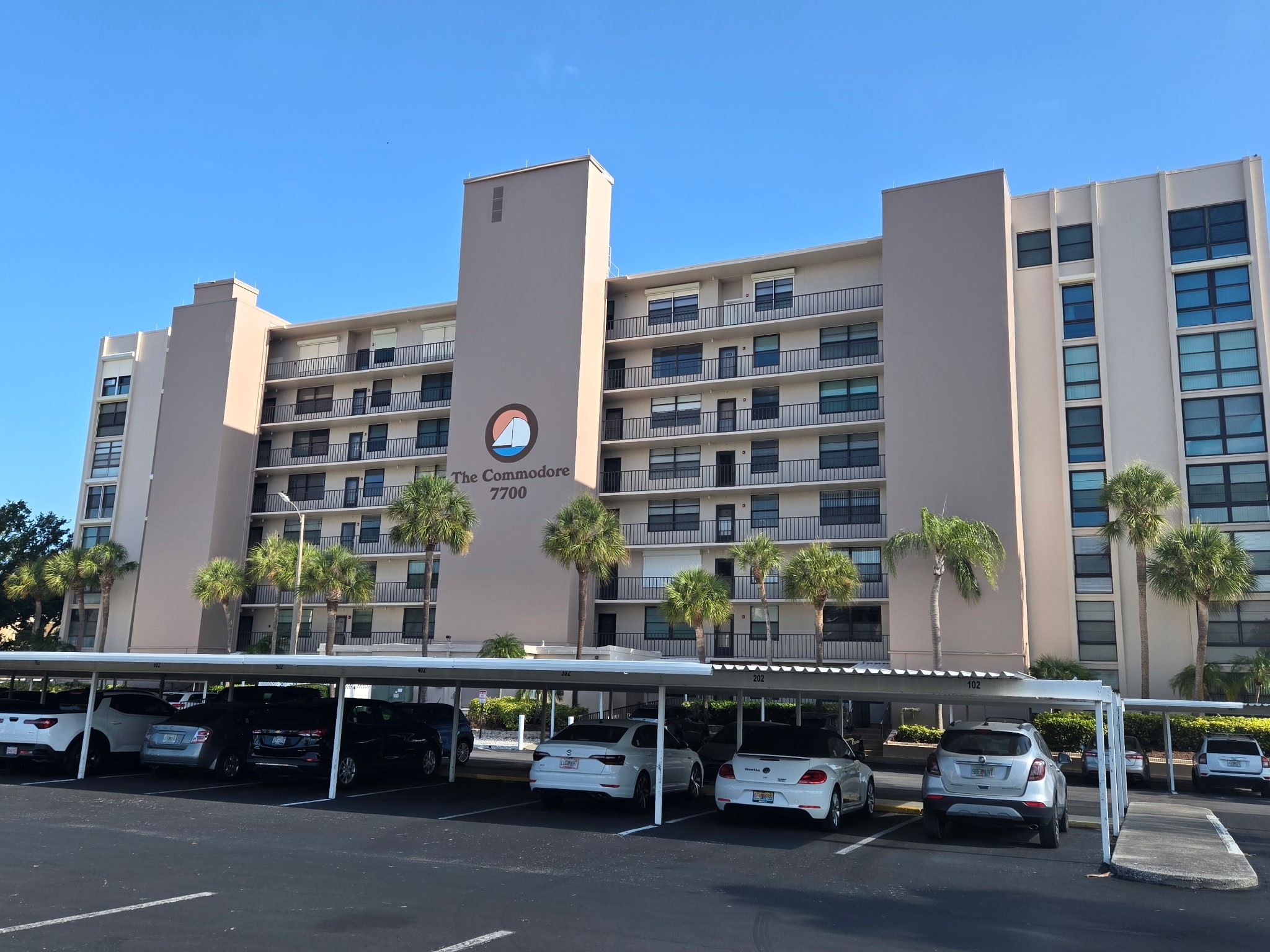
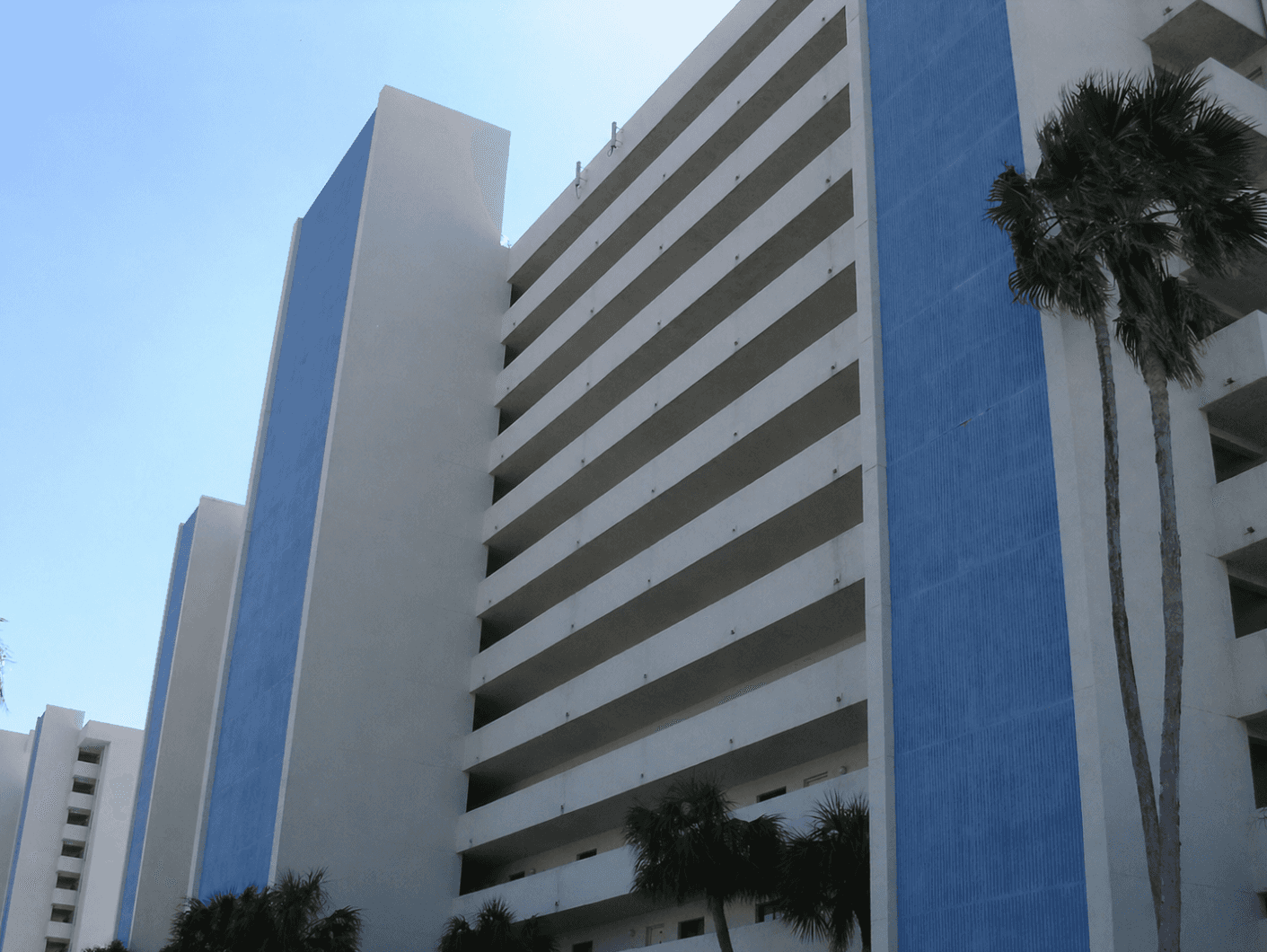
Concrete spall repair
Saw-cut, chip out, and remove all delaminated concrete around corroded rebar. Treat the steel, prime, and replace with structural-grade repair mortar bonded to the existing slab — restoring strength, not just cosmetics.
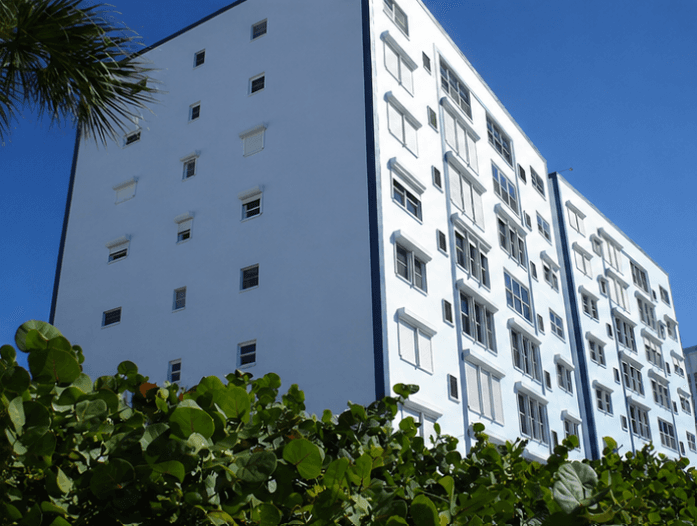
Rebar replacement
Severed or section-loss reinforcing steel gets fully replaced with matching grade and diameter rebar, lap-spliced per ACI code, with corrosion inhibitor applied before encapsulation. Done right, the repair lasts as long as the original construction.
Structural crack injection
Structural cracks get evaluated, isolated, and pressure-injected with low-viscosity epoxy or polyurethane resin that bonds the concrete back together and restores load transfer. Movement cracks get treated differently — with flexible sealants in routed and sealed joints.
Post-tension cable repair
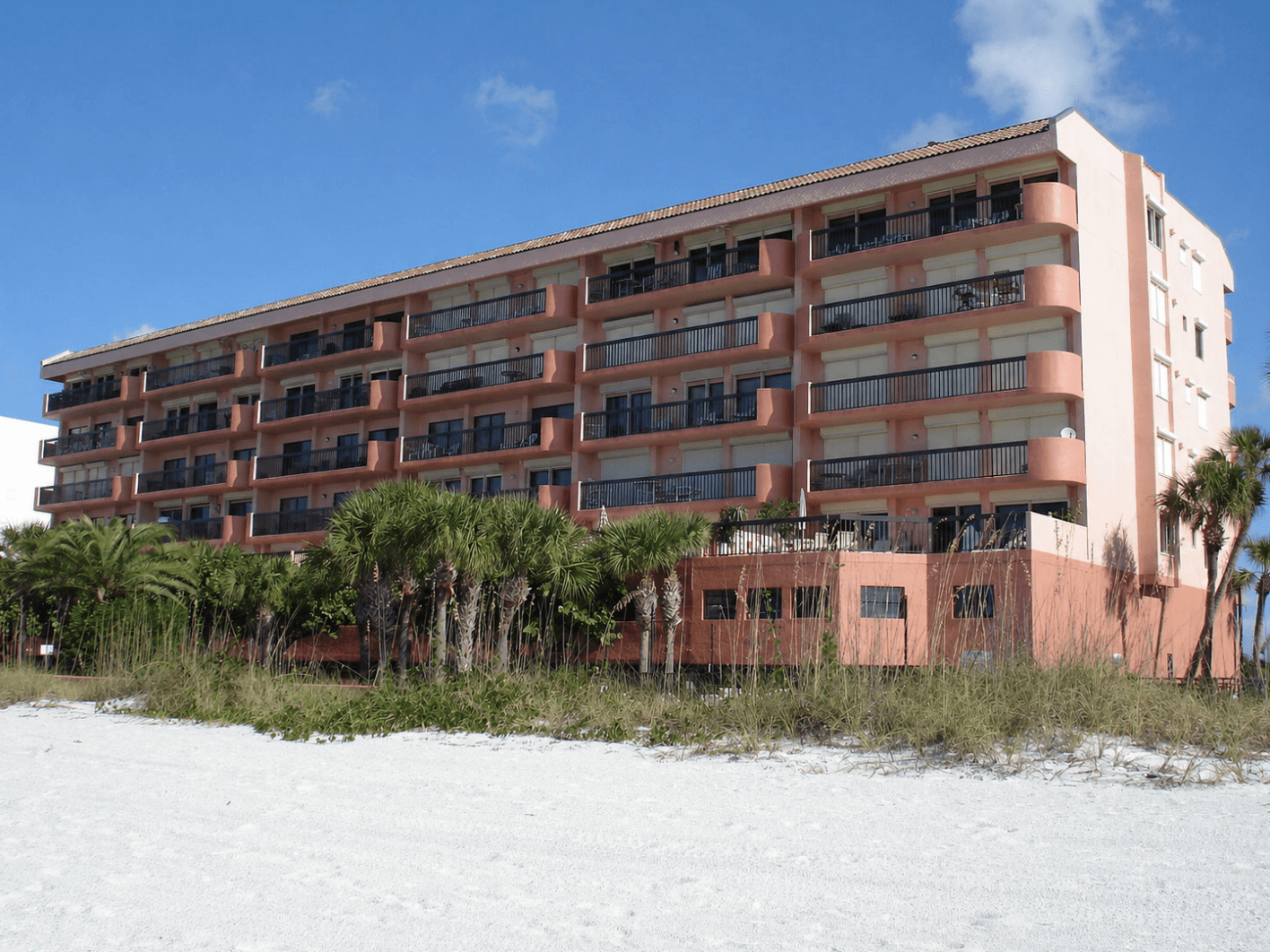
Post-tensioned slab buildings need specialty care. We locate failed or severed PT cables, expose damaged anchor pockets, splice or re-stress cables per the original design, and repair the slab — coordinated with the engineer of record from start to finish.
Balcony edge restoration
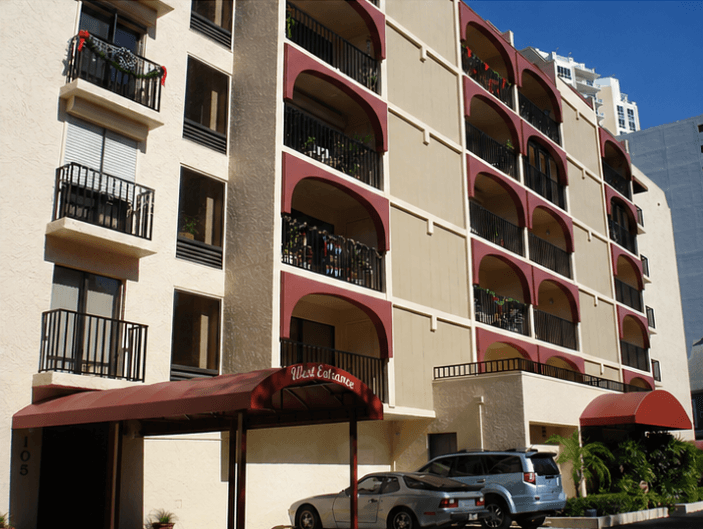
Balcony edges and slab noses are the most exposed concrete on any Florida tower. We rebuild the edge profile, form and pour with structural mortar, integrate sealant joints, and restore the drip edge — the detail that keeps water off the building below.
Balcony soffit & overhead repair
Balcony soffits, ceilings, and overhead concrete get inspected from below for spalls, cracks, and exposed rebar. We provide overhead access (lifts, scaffolding, or rigging), repair from below, and restore the painted finish — without leaving the resident above any more disrupted than necessary.


OUR PROCESS
Every Barrett project follows the same five-step process so there are no surprises.
01
Walk-through and free consultation
Initial site visit to understand the building and your goals.
02
Photo-documented inspection and prioritized scope
Every defect is documented and ranked by urgency.
03
Detailed proposal with line-item pricing
Schedule, products, and warranty terms in writing.
04
Execution with resident communication plan
Pre-construction meeting and phased scheduling that minimizes disruption.
05
Closeout with final walk and warranty docs
Punch list, warranty documentation, and a maintenance plan.


How do you know when concrete needs structural repair versus a cosmetic patch?
If you tap on the concrete and it sounds hollow, see rust stains or exposed rebar, or notice cracks wider than a credit card, the repair is structural — not cosmetic. We sound out the entire affected area, measure section loss in the rebar, and document exactly how deep the deterioration runs. Patching over corroded steel only buys a few years and accelerates the damage.
How long do concrete repairs take, and how disruptive are they?
Localized repairs (under 20 spalls) often finish in 2-4 weeks. Building-wide concrete restoration on a 9-story tower typically runs 4-8 months. Noise from chipping is the loudest part; we schedule it on weekdays during business hours, work one floor at a time, and protect balconies and walkways. Residents stay in the building throughout.
Do you work directly with the structural engineer?
Yes. On any structural concrete repair, we coordinate with the engineer of record from initial assessment through final repair. The engineer specifies the repair method, we execute, and the engineer field-verifies critical work before closure. The chain of documentation matters — especially under Florida's milestone inspection rules.
What's the warranty on concrete repairs?
Barrett warrants the workmanship on structural concrete repairs for 5 years. Repair mortars carry manufacturer warranties typically ranging 5-15 years on materials. Patches done properly — with full removal of unsound concrete and proper rebar treatment — typically last as long as the surrounding original concrete.
Are you licensed and insured?
Yes. Florida-licensed general contractor, license CBC1266604. Fully insured with general liability and workers' compensation.
Can you handle post-tension cable buildings?
Yes. Post-tensioned slabs require specialty crews and coordination with the original PT engineer or a structural engineer experienced with the system. We've worked on numerous PT buildings in Pinellas — locating cables, exposing damaged anchorages, splicing or re-stressing, and repairing slabs with the right sequencing.