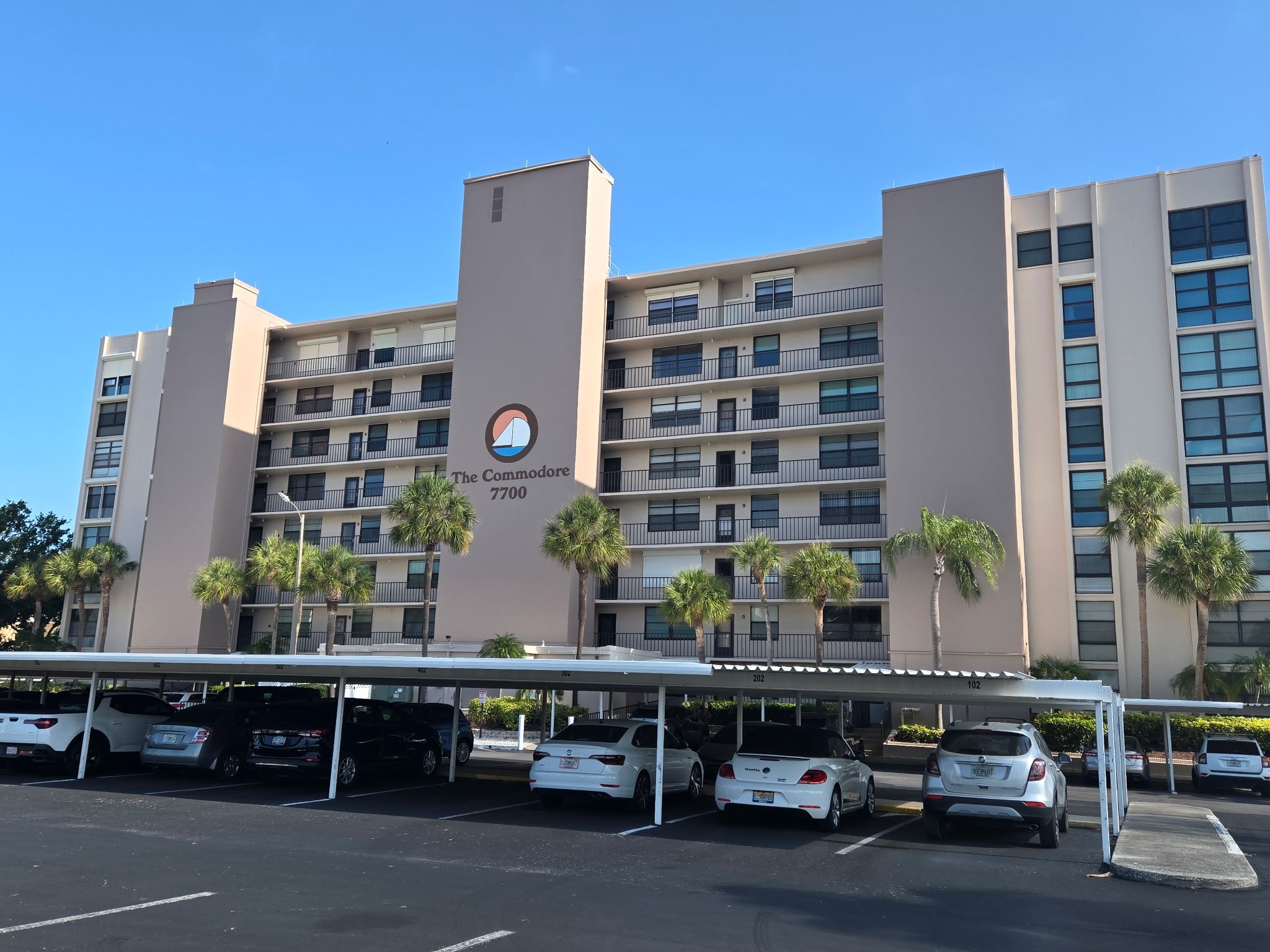
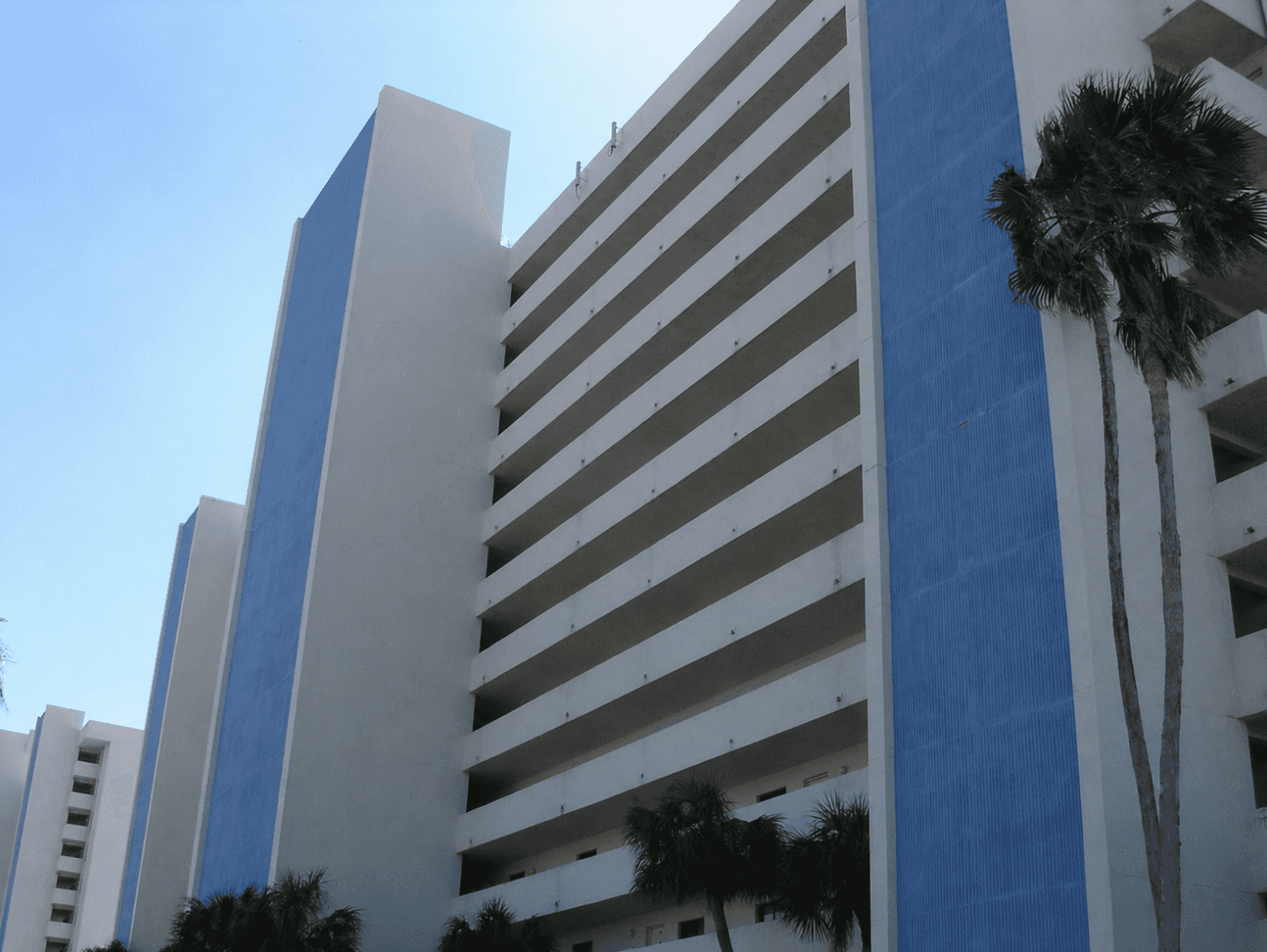
Structural inspection
Engineer-led inspection of structural systems — foundation, columns, beams, slabs, walls, balconies, and roof framing. We document defects, photograph evidence, and flag anything requiring repair.
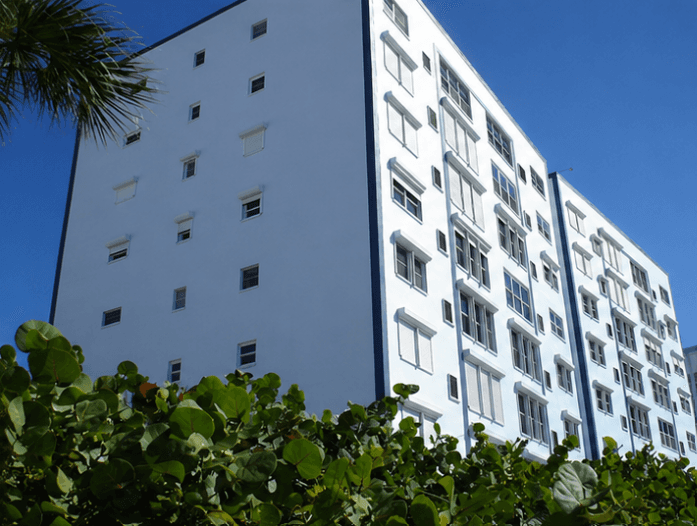
Electrical inspection
Florida-licensed inspection of service equipment, grounding, panels, and wiring per the recertification checklist your county requires.
Engineer-signed report
Sealed and signed report documenting conditions, code compliance, and any repairs required before recertification — formatted to satisfy your county building department.
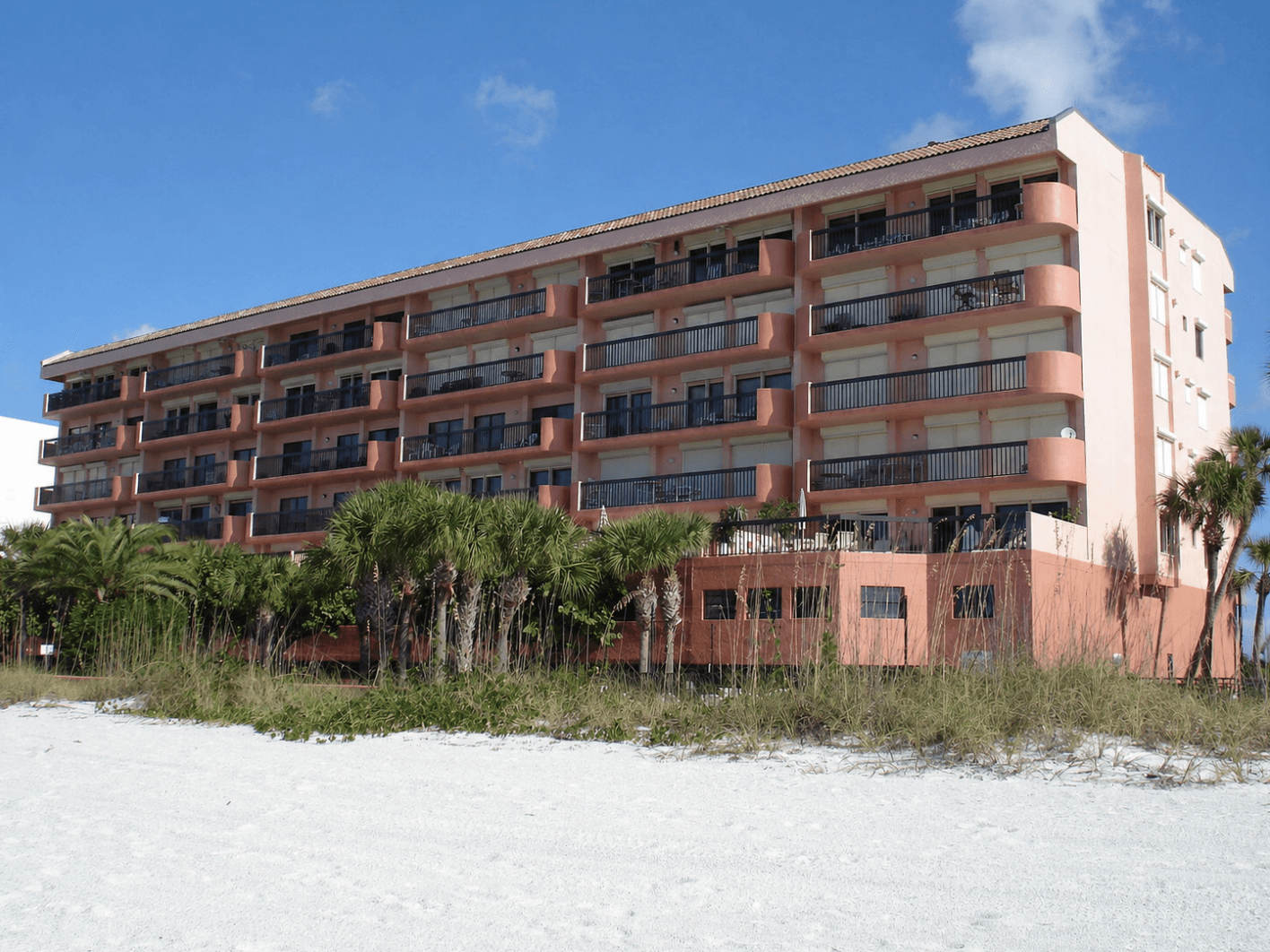
Repair coordination
If repairs are required to pass recertification, we coordinate concrete, waterproofing, façade, or balcony work with our licensed crew so you have one contractor managing the entire process.
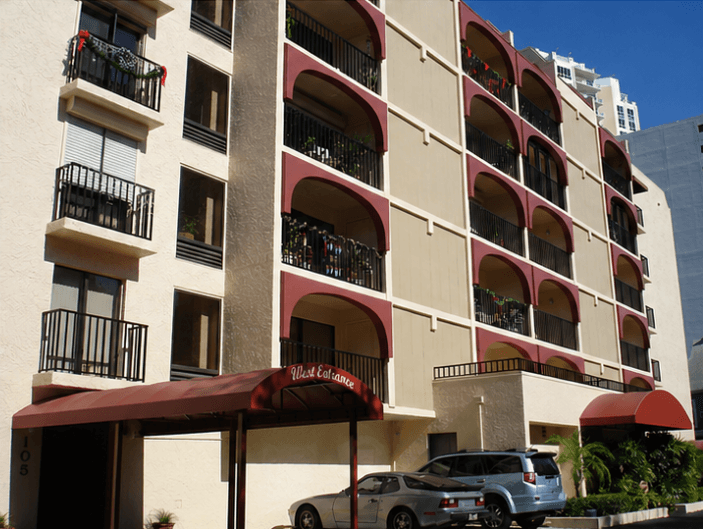
County submittal
We assemble the recertification submittal package and deliver it to your county building department, then respond to any plan review comments until it's accepted.
Re-inspection & sign-off
After repairs, we re-inspect, update the report, and provide the final signed recertification letter your county requires — so your building is officially compliant.


OUR PROCESS
Every Barrett project follows the same five-step process so there are no surprises.
01
Walk-through and free consultation
Initial site visit to understand the building and your goals.
02
Photo-documented inspection and prioritized scope
Every defect is documented and ranked by urgency.
03
Detailed proposal with line-item pricing
Schedule, products, and warranty terms in writing.
04
Execution with resident communication plan
Pre-construction meeting and phased scheduling that minimizes disruption.
05
Closeout with final walk and warranty docs
Punch list, warranty documentation, and a maintenance plan.


PREPARING THE BUILDING
Drawings and repair history
The inspection goes faster when the inspector can see how the building was put together and what has been done to it since. Original drawings, past engineering reports, records of earlier concrete or balcony repairs and any electrical upgrades are all worth gathering. Gaps are common on older buildings. Even a partial file helps.
It also helps to collect any open permits, past violation notices and correspondence with the building department. Inspectors will ask about them, and resolving them early saves time.
Access to the right spaces
Inspectors need to see the roof, the electrical and mechanical rooms, the garage or ground-level structure and a sample of balconies and units. Arranging keys, building staff and resident access in advance avoids a second visit. We coordinate that schedule with the manager so residents get notice of which units will be entered and when.
Electrical rooms in older buildings are sometimes used for storage over the years. Clearing them before the visit lets the inspector reach panels and equipment without delay.
Common causes of delay
Delays usually come from three places: locked or blocked areas, missing records and repair items that surface during the inspection with no plan to address them. The first two can be solved with preparation. The third is why it helps to have the repair contractor involved early.
In Pinellas County, the milestone inspection is the requirement that applies, not recertification. Our milestone inspections page explains how that inspection works and what the report covers, and our guide to milestone inspection deadlines for Pinellas County condos explains when yours is due.
Bringing the repair contractor in early also means any required work can be priced while the inspection is still underway.
After the letter is signed
Recertification is a snapshot. Keep the final report, the repair records and the photos in one place, because they become the starting point for the next inspection and for the reserve study in between.
When does my building need a 40-year recertification?
Recertification is a Miami-Dade and Broward County program, not a statewide or Pinellas County requirement. In Pinellas, the inspection condo and co-op buildings need is Florida's milestone inspection: buildings of three habitable stories or more are first inspected by December 31 of the year they turn 30, then every 10 years. Our milestone inspections page explains how that works.
What's the difference between recertification and the SB 4-D Milestone Inspection?
They overlap but aren't identical. Recertification is a long-standing Miami-Dade and Broward County program focused on structural and electrical safety. Milestone inspections, created by SB 4-D in 2022, apply statewide to condo and co-op buildings of three habitable stories or more: first by December 31 of the year the building turns 30, then every 10 years. The local building department can require the first inspection at 25 years based on local conditions such as proximity to salt water. In Pinellas County, the milestone inspection is the one that applies.
Do you handle the engineer report or do we hire one separately?
Either way works. We work with several licensed Florida engineers we trust, or we can coordinate with one your board has already selected. We handle the on-site inspection, photo documentation, and field measurements that feed into the signed and sealed report your county requires.
How long does a 40-year recertification take?
Most inspections take 1–3 days on-site depending on building size, plus 2–4 weeks for the signed report. If repairs are needed before sign-off, the timeline depends on scope. We give you a realistic schedule after the walk-through.
Are you licensed and insured?
Yes. Florida-licensed general contractor, license CBC1266604. Fully insured with general liability and workers' compensation.
What if my building fails the inspection?
Failing the structural or electrical portion doesn't mean an unsafe-structure order — it means specific repairs are required before recertification. We document exactly what's needed, pull permits if applicable, and coordinate the repair work with our licensed crew. After repairs, we re-inspect and the engineer issues the final letter.