The Week After a Named Storm: An Exterior Checklist for Condo Boards
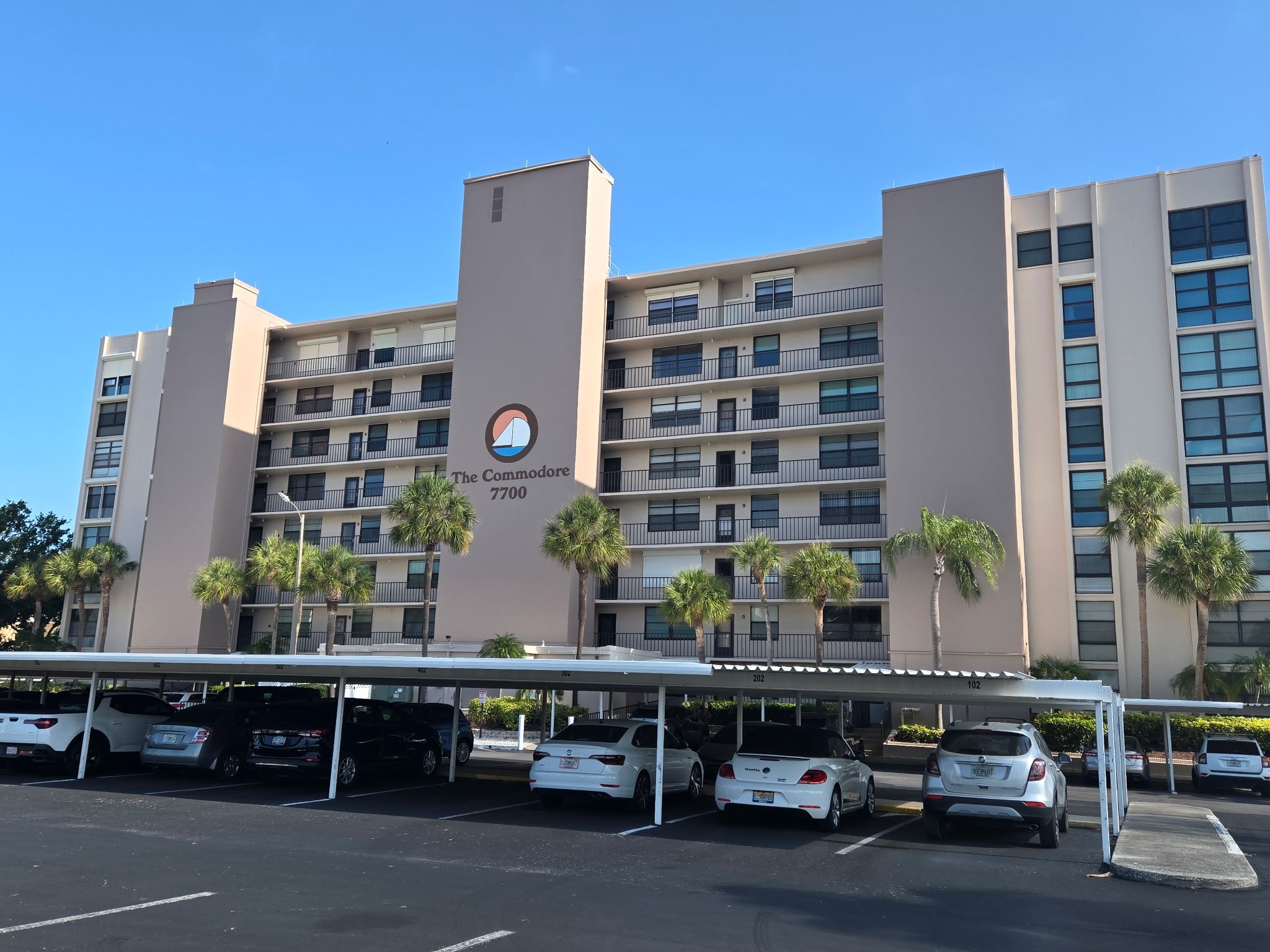
Pinellas County boards learned a lot in the fall of 2024. Helene’s surge and Milton’s wind arrived less than two weeks apart, and associations that had a plan for the days after a storm got their buildings dried in, documented and on a contractor’s schedule much faster than those that did not.
Hurricane season runs through November 30. This is a practical list for the first week after a storm passes, written for board members and managers rather than engineers. It is not a substitute for a professional inspection, but it will make that inspection faster and your insurance claim stronger.
Before anyone goes up: safety and access
Nobody should be on a roof, a balcony with a damaged railing or a walkway with cracked concrete until it has been looked at. Rope off obvious hazards first: downed railings, hanging soffit, loose stucco above entrances, and any area where water is pooling near electrical equipment.
If a balcony or walkway looks like it has dropped, tilted or separated from the building, keep people off it and call a licensed contractor or engineer the same day. That is not a wait-and-see item.
Photograph everything before you fix anything
Insurers and adjusters want to see the damage as the storm left it. Before any cleanup or temporary repair, walk every elevation and take wide shots of each side of the building, then close-ups of each damaged area. Turn on date stamps, or keep the original files so the timestamps survive.
Temporary repairs to stop further water getting in are expected and usually covered, so do not hold off on tarping a roof or boarding a broken window. Just photograph it first, keep the receipts, and keep any damaged material you remove until the adjuster has seen it or said it can go.
Roof edges, parapets and rooftop equipment
From the ground or a safe vantage point, look for lifted or missing roofing at the edges and corners, where wind does the most damage. Check that parapet caps and edge metal are still attached, and that rooftop units, vents and their curbs have not shifted. A displaced unit can leave an open hole in the roof that leaks for weeks before anyone connects it to the stains on a top-floor ceiling.
Balconies, railings and walkways
Wind loads railings hard, and storm-driven water finds every crack in a balcony slab. Check each railing for posts that wobble or have pulled loose from the slab edge, and look at the underside of balconies for fresh cracks, rust staining or loose concrete.
On buildings that already had balcony issues before the storm, assume the storm made them worse until someone confirms otherwise. Our balcony repair and restoration page explains what we look for and why railing posts are such a common failure point.
Windows, doors and the joints around them
Wind-driven rain pushes water through gaps that stay dry in an ordinary summer storm. The first signs usually show up inside, so ask residents to report:
Water on sills or floors under windows and sliding doors.
New stains or soft spots in the drywall below windows.
Bubbling paint or a musty smell along exterior walls.
Sliding doors that are suddenly hard to open or close, which can point to movement in the frame.
Collect these reports by unit and elevation. A pattern, such as every unit on the west face reporting leaks at the same window type, tells a contractor much more than a single complaint does.
Drying out before mold sets in
In our climate, wet drywall and insulation can start growing mold within a couple of days. Where water has come inside, get it dried quickly: open up wet baseboards, run dehumidifiers, and bring in a water mitigation company for anything more than a small area. Note which units were affected and when drying started. That record matters for the claim, and it tells the restoration contractor which openings to test first once the exterior repair begins.
Stucco and the building face
Look for new cracks, especially long horizontal ones at floor lines, and for stucco that has bulged, delaminated or fallen. Tap suspicious areas lightly; a hollow sound means the stucco has separated from the wall. Pay extra attention above entrances, walkways and parking areas where falling pieces could hurt someone.
If your building is due for its milestone inspection or has had one recently, tell the engineer about any storm damage you find. It may change what they want to look at.
Screen enclosures, soffits and the smaller items
Pool enclosures, soffit panels, gutters, exterior lighting and signs are easy to overlook in the first days. They rarely threaten the structure, but they belong on the claim, and loose panels can become projectiles if another storm follows.
Choosing who does the work
After a big storm, out-of-area crews arrive quickly, and some of them will be gone just as quickly. Before signing anything:
Check the contractor’s license on the Florida DBPR license search at myfloridalicense.com, and make sure the name on the license matches the name on the contract.
Ask for a certificate of insurance sent directly from the insurance agent, not a photocopy.
Be wary of anyone asking for large deposits up front or offering to handle your insurance claim for you.
Get the scope in writing, with the areas, the repair method and the materials spelled out.
Also read your policy’s notice requirements. Florida has shortened the deadlines for reporting property claims in recent years, so call your agent early rather than waiting until every repair has been priced.
Put the plan on paper now
The best time to prepare for the week after a storm is a quiet week before one. Keep a current set of exterior photos on file, along with your insurance agent’s contact details, a list of the contractors you would call, and the name of the person on the board who will lead the walk-around. Next season, that one page saves days.
Barrett Construction and Restoration is based in Pinellas Park and handles post-storm assessments and repairs for condo associations across the county. If you want a professional walk-through after the next storm, or a baseline façade inspection before it, get in touch or call (727) 522-6356.